Lawn Mowing in Kensington

Lawn mowing in Kensington is about keeping domestic and shared outdoor spaces neat, even and ready to use without letting the work become disruptive. Our service focuses on regular cutting, clear edging and tidy finishing for lawns that need consistent attention through the growing season. We also look at the condition of the grass as we work, because mowing well is not only about height; it is about a clean cut, sensible timing and a finish that suits the garden.
For many properties, the best results come from combining mowing with light garden upkeep. That can mean trimming around borders, managing awkward corners and leaving paths and access points free of clippings. We can support gardens that need a straightforward one-off cut as well as those that benefit from scheduled maintenance. If you want to keep the grass under control and present your outside space well, this page explains the main ways our work is carried out.
We aim to keep the service practical from the start. A useful quotation begins with the size of the lawn, how often it is normally cut and whether the garden has features such as steps, narrow access or multiple sections. Simple details help shape an accurate response, especially when the work needs edging, clearance of cuttings or coordination with other garden tasks. If you are comparing options, use the information here to decide what level of mowing support you need and then request a quotation in the way that suits you best.
Regular Lawn Care and Cutting
Regular lawn care is the foundation of a good finish. Grass that is cut at sensible intervals tends to look more even, recover better and avoid the coarse appearance that can come from leaving it too long between visits. We mow with attention to the season, the current length of the lawn and the condition of the surface, which helps support a cleaner result without stressing the turf unnecessarily. This is especially useful where the lawn forms a visible part of the garden design rather than a hidden utility strip.
Our mowing work can suit front gardens, rear gardens and shared outside spaces where presentation matters. When the grass is cut consistently, it is easier to keep edges defined and reduce the build-up of clumps along borders. Good lawn care is often about rhythm rather than occasional heavy treatment, so we treat mowing as part of a broader maintenance pattern. For customers who prefer a simple service, a straightforward cut may be all that is needed; for others, the task can sit alongside seasonal garden upkeep.
What a mowing visit can include
- cutting the main lawn area to an appropriate height
- trimming around borders, paths and fixed features
- tidying visible edges for a cleaner outline
- removing or collecting cut grass where agreed
- leaving access routes and usable spaces clear
Finishing Details That Improve the Result

The finish matters almost as much as the cut itself. A mower may reduce the height of the grass, but a properly presented lawn usually benefits from attention to edges, corners and the transition between the turf and surrounding surfaces. We can help with the visible details that make a garden look cared for, including tidy lines along patios, narrow strips beside fences and the areas that are easy to miss when mowing is rushed.
Where grass has grown unevenly, the work may need a little more care to avoid leaving the surface patchy or scalped. We adjust our approach to suit the condition of the lawn, rather than treating every garden as identical. That is useful for properties with mixed sun and shade, irregular shapes or sections that have not been cut for some time. The goal is not simply to finish quickly, but to leave a result that looks orderly and is sensible for the grass.
When mowing is part of wider garden maintenance, the cut can be coordinated with light trimming or clearance so the overall appearance is more coherent. This can be a practical choice for people who want one visit to resolve several small tasks rather than dealing with them separately. If you are unsure whether your lawn needs a basic cut or a more involved tidy, a quotation request can describe the current condition and the level of finishing you would like.
Grass Length, Cutting Frequency and Timing
How often a lawn should be cut depends on growth rate, weather and the use the space gets. Fast-growing grass may need more frequent attention, while slower-growing lawns can be maintained with wider gaps between visits. We can work with lawns that need regular upkeep or with areas that simply require a reset after being left too long. Cutting at the right time helps preserve the look of the lawn and avoids leaving the grass under unnecessary strain.
There are also practical reasons to think about timing. Wet grass can behave differently from dry grass, and very long growth may require a more careful approach to avoid leaving debris behind. If the lawn is in a garden that is used often, regular mowing helps keep the area comfortable underfoot and easier to maintain. If it is more decorative, a neat cut can improve the overall feel of the space without changing its character.
Many customers prefer to organise lawn mowing as part of a planned routine rather than waiting until the grass becomes difficult to manage. That approach can be especially helpful where there are borders, ornaments or planting beds close to the lawn, because the shape and edges remain more defined. If you already know the pattern you want, mention it when you ask for a quotation; if not, we can help you think through the most sensible level of mowing support.
Garden Maintenance Alongside Lawn Mowing

Lawn mowing often works best when it is linked with light garden maintenance. A cut alone can leave the rest of the space looking untidy if the edges, overgrowth or clippings are left in place, so a joined-up approach is often more effective. We can combine mowing with tasks that help the whole garden feel more orderly, particularly where the lawn is bordered by beds, hedges or hard surfaces that frame the view.
For some gardens, the maintenance need is modest and predictable. For others, the lawn is only one part of the work, with seasonal growth around the perimeter or in awkward corners requiring additional attention. Our approach is to keep the main service clear while recognising that a lawn sits within a wider setting. That means the result should feel balanced rather than isolated from the rest of the space.
Useful combinations with mowing
Where the garden allows, mowing can be paired with hedge trimming, light clearance or more general upkeep to give the outdoor area a cleaner finish. This can be a sensible option if the lawn is visible from the house or if you are preparing the garden for everyday use. Keeping the work organised in one plan can also make it easier to describe what you need when requesting pricing, because the scope is clearer and less open to misunderstanding.
Why Lawn Condition Changes the Work
Not every lawn responds to mowing in the same way. The condition of the turf, the amount of shade, the thickness of growth and the presence of slopes or irregular boundaries can all affect how the job is approached. A lawn that is dense and level usually cuts differently from one that is sparse, uneven or mixed with patches of moss or rough growth. The practical response needs to be matched to what is actually there.
We take care to avoid treating every grass area as a standard shape with a standard finish. Some lawns have soft curves, others have narrow runs, and some are divided by steps, planting beds or paving. Each detail matters because it affects access, movement and the amount of finishing needed. When the lawn is in a more demanding condition, it may be better to describe that upfront so the quotation reflects the work accurately.
Understanding the starting point also helps with expectations. A heavily overgrown area may need a more careful first cut before it can move onto a regular cycle, while a well-kept lawn may only need a tidy maintenance visit. We try to keep the process clear, practical and appropriate to the site rather than overselling what mowing alone can achieve. Accurate information at the outset supports a better match between the work and the result.
About Kensington
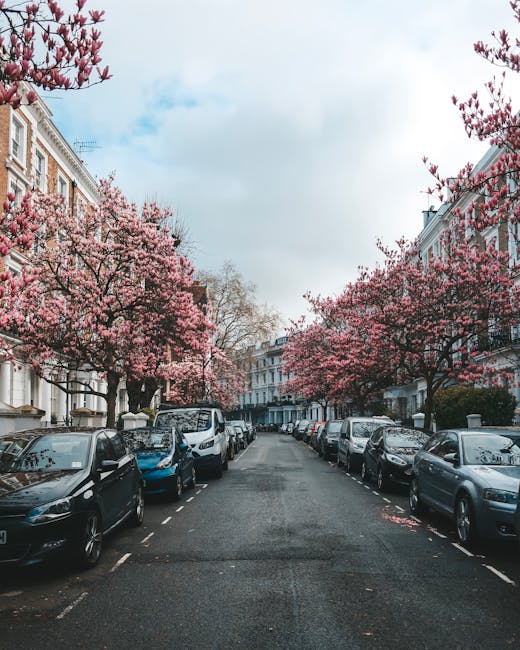
Kensington in west London is closely associated with some of the capital’s most recognisable institutions, streets and green spaces. The district sits within the Royal Borough of Kensington and Chelsea, and its character has been shaped by a long history of aristocratic development, later urban growth and continuing cultural prominence. Kensington High Street remains a central commercial route, while the surrounding area includes residential squares, museum districts and a mixture of late Georgian, Victorian and later architecture that gives the neighbourhood a layered appearance. The area’s street pattern reflects its historical evolution, with formal garden squares and terraces sitting alongside busier commercial corridors. Holland Park lies to the west of the core district, offering one of the most notable public open spaces nearby, while Kensington Gardens and Hyde Park extend the sense of greenery through the wider western part of central London. The district is also strongly linked with major museums, including the Natural History Museum, the Victoria and Albert Museum and the Science Museum, all of which contribute to its cultural identity. Public transport access is part of Kensington’s everyday rhythm, with several Underground stations serving different edges of the area and helping to connect it to the West End, the City and other inner London districts. Despite its busy reputation, Kensington contains quieter residential pockets where communal gardens, private squares and carefully maintained frontages are part of the local urban fabric. These features combine to give the area a distinctive balance of civic activity, heritage architecture and established neighbourhood life.
Access, Edges and Practical Site Considerations
Some mowing jobs are straightforward because the lawn is open and easy to reach, while others require more care around access points, narrow side returns or planting that sits close to the grass. A practical service should account for those details from the beginning. We look at how the lawn is entered, where the mower needs to move and whether there are delicate features that call for a tidier hand-finishing approach.
Edge management is often what separates an adequate cut from a genuinely tidy one. Boundaries that meet paving, gravel, flower beds or fencing benefit from clear definition, because soft or frayed edges can make the whole garden look less organised. If the lawn has parts that are awkward to reach, that can influence both the method and the time needed. It is usually better to describe these points clearly rather than assuming they will be obvious on the day.
When preparing a quotation, it can help to mention whether the garden is flat or sloped, whether there are steps or raised sections, and whether the grass is broken into separate areas. That is not about adding complexity for its own sake; it is about making sure the proposed work fits the site. If you would like a clearer picture of scope, a short description of the lawn and its layout is often enough to begin.
How We Approach Quotation Requests

A sensible quotation for lawn mowing usually depends on the size of the grassed area, how often it needs cutting and whether any extra trimming or clearance is involved. The more clearly the lawn is described, the easier it is to understand what level of work is required. If you are asking about a one-off cut, say so; if you want ongoing maintenance, it helps to note the intended frequency and any features that may affect the visit.
It is also useful to mention anything that changes the nature of the job. That might include overgrown patches, limited access, multiple lawn sections or the need to remove clippings from site. A brief, accurate outline saves time for everyone and makes it easier to compare options fairly. You do not need to write a long explanation; a few practical details are usually enough to shape an informed response.
If you are ready to move ahead, ask for a quotation and describe the lawn in plain terms. You can keep it simple: the area, the current condition and the type of finish you want. We will then use that information to respond as clearly as possible. For a neat and reliable lawn mowing service in Kensington, send your details when you are ready and we can take it from there.