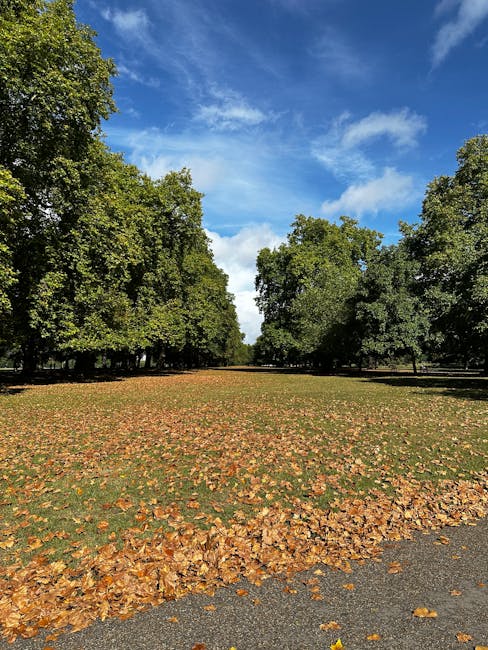
Phillimore Gardens garden maintenance tips Kensington: a practical local guide for tidy, healthy gardens
If you live near Phillimore Gardens, you already know the gardens around Kensington have a certain look about them: neat lines, mature planting, a bit of privacy, and not much room for sloppy work. Good Phillimore Gardens garden maintenance tips Kensington are not just about keeping things "nice"; they're about keeping a garden healthy, presentable, and manageable in a very busy part of London.
Truth be told, a Kensington garden can go from elegant to untidy quicker than people expect. One wet spell, a bit of shade, a hedge that was left too long, and suddenly the whole space feels heavier. This guide walks through what matters, how maintenance works in practice, and the decisions that make the biggest difference. If you want a garden that looks cared for without becoming a weekly headache, you're in the right place.
- Why Phillimore Gardens garden maintenance tips Kensington matters
- How Phillimore Gardens garden maintenance tips Kensington works
- Key benefits and practical advantages
- Who this is for and when it makes sense
- Step-by-step guidance
- Expert tips for better results
- Common mistakes to avoid
- Tools, resources and recommendations
- Law, compliance, standards, or best practice
- Options, methods, or comparison table
- Case study or real-world example
- Practical checklist
- Conclusion
- Frequently asked questions
Why Phillimore Gardens garden maintenance tips Kensington Matters
Phillimore Gardens sits in a part of Kensington where presentation, privacy, and planting quality tend to matter more than in a larger suburban plot. Gardens here are often compact, enclosed, and visible from windows, terraces, or neighbouring properties. That means maintenance is not just about gardening for beauty; it's about managing pace, proportion, and long-term plant health.
In a local setting like this, neglect tends to show quickly. A lawn becomes patchy under shade. Climbers overrun railings. Hedges lose their shape. Pots dry out in summer, then sit sodden in winter. Small problems become obvious because the space is smaller and more refined. That is why a consistent maintenance routine pays off more than a once-in-a-while tidy-up.
There is also the practical side. Kensington gardens often deal with limited access, narrow side paths, basement light issues, and a mix of mature and decorative planting. Some homes want a smart front approach; others need a private rear garden that feels calm rather than busy. The maintenance approach should match the property, not the other way around.
Key takeaway: good garden maintenance in Phillimore Gardens is less about constant intervention and more about regular, well-judged care. Done properly, it keeps the space attractive, healthy, and easy to enjoy. No drama. No garden chaos.
How Phillimore Gardens garden maintenance tips Kensington Works
At its simplest, garden maintenance works in layers. Some tasks are frequent and light, such as mowing, deadheading, weeding, or checking watering needs. Others are seasonal, like cutting back perennials, shaping hedges, clearing leaves, or refreshing mulch. The aim is to stop the garden from swinging between overgrown and overworked.
For a Kensington property, the maintenance plan usually starts with a site review. You look at sunlight, drainage, soil type, plant density, how often the garden is used, and whether privacy is a priority. Then you set a realistic rhythm. That rhythm might be weekly in growing season and more occasional in winter. It depends. Honestly, that's the whole game.
The best plans also respect the style of the garden. A formal space near Phillimore Gardens may need crisp edging, straight lines, and neatly clipped shrubs. A softer family garden may benefit more from structured planting, healthy lawns, and lighter pruning. If you are maintaining the garden yourself, or briefing a professional team, the instructions should be specific enough to avoid guesswork.
A sensible maintenance cycle usually includes:
- regular lawn care and edging
- hedge and shrub shaping at the right time of year
- weed control before it becomes a battle
- checking irrigation, containers, and drainage
- leaf clearance and seasonal tidy-ups
- deadheading and pruning for healthier growth
If you want a broader service structure, it can help to review the wider services overview before deciding what level of support makes sense for your garden.
Key Benefits and Practical Advantages
A well-maintained garden gives back in ways people sometimes forget. Yes, it looks better. But the practical gains are just as important.
1. Better plant health. Routine pruning, feeding, watering, and removal of dead material reduce stress on plants. You will notice stronger growth, fewer bare patches, and less disease build-up.
2. A more usable outdoor space. When paths are clear, borders are controlled, and lawns are not spongy or full of weeds, the garden becomes somewhere you actually want to sit with a coffee or a book.
3. Improved privacy and structure. In Kensington, a lot of gardens rely on hedging, climbers, or layered planting to create a sense of enclosure. Maintenance preserves that structure instead of letting it collapse into a shapeless mass.
4. Lower long-term repair work. Catching issues early is cheaper and less disruptive than waiting for them to spread. A small pruning job now is easier than a major cutback later. Gardens, like boilers, prefer not to be ignored.
5. Better seasonal resilience. A garden prepared for summer heat, autumn leaf fall, and winter wet weather tends to recover faster. That matters in London, where conditions can shift from mild to miserable in what feels like an afternoon.
6. Stronger kerb appeal. Whether you are a homeowner, landlord, or simply someone who likes order, a tidy Kensington garden quietly improves how the whole property feels.
For ongoing lawn work, pairing garden care with regular lawn mowing can make a striking difference in how polished the space looks from week to week.
Who This Is For and When It Makes Sense
This kind of maintenance is useful for a wide range of people, and not only for those with a large garden. In fact, smaller gardens often need sharper attention because everything is on show.
It makes sense if you are:
- a homeowner who wants the garden to stay attractive without constant weekend jobs
- a landlord keeping a Kensington property presentable between tenancies
- a busy family trying to stop the garden becoming another source of stress
- an older resident who wants safe, manageable upkeep without heavy lifting
- a design-conscious homeowner with formal planting or statement features
- someone preparing for guests, photos, a sale, or just a much-needed reset
It also makes sense after periods of neglect, bad weather, or a change in occupancy. Sometimes a garden does not need a redesign; it just needs a proper reset and a steady hand. That can be surprisingly uplifting, actually. You fix a few edges, clear the clutter, and the whole place exhales.
If the space is already heavily overgrown, a clearing phase may come first. In those cases, it is often sensible to start with garden clearance before moving into routine maintenance.
Step-by-Step Guidance
A good maintenance routine is easier to manage when it is broken into clear steps. You do not need to do everything at once. Better to be methodical than heroic.
1. Walk the garden slowly
Start with a proper look around. Check what is growing strongly, what is thinning out, where weeds are taking hold, and whether any paths, drains, or boundaries need attention. A five-minute walk tells you a lot more than rushing straight in with the mower.
2. Clear the obvious clutter first
Remove fallen leaves, broken stems, spent pots, and anything blocking access. You will work better once the space is open. It also gives you a more honest view of what needs doing.
3. Tackle the lawn
In a Kensington garden, the lawn often acts as the visual centre. Keep it cut at a sensible height for the season, and avoid scalp-level mowing when the grass is stressed. Edge carefully. A neat edge makes an ordinary lawn look intentional.
4. Shape hedges and shrubs with restraint
Most people either underdo hedges or overdo them. Neither helps. The aim is clean shape, not over-cutting. Some hedges tolerate harder pruning than others, so timing matters. If in doubt, trim lightly and observe how the plant responds.
5. Weed before the roots settle in
Weeds are easiest to handle early. Once they seed, spread, or root deeply into borders and paving joints, the job becomes much more irritating. A small, regular weeding habit beats one huge, exhausting pull-up session.
6. Check watering and drainage
Containers, newly planted areas, and sheltered spots often need more attention than people expect. Conversely, some corners hold water after rain and need improving. If you notice puddling, sour soil smell, or drooping plants even after watering, drainage may be the issue.
7. Feed, mulch, and protect
Mulch helps conserve moisture, suppress weeds, and improve soil condition over time. It is one of those quietly effective jobs that looks simple but does a lot of work behind the scenes. Feed plants only where appropriate and according to their needs; more is not always better.
8. Finish with detail work
Deadhead blooms, sweep paths, tidy borders, and step back. The final passes matter. The garden should look considered, not merely cut. There is a difference, and you can usually feel it the second you look out of the back door.
Expert Tips for Better Results
Small adjustments often make the biggest difference in a Kensington garden. Here are the habits that tend to separate a merely tidy space from one that genuinely thrives.
- Work with the garden's light. Shadier gardens near taller buildings often need more selective planting and less reliance on high-sun species.
- Trim lightly but often. Frequent small cuts usually give cleaner results than dramatic one-off pruning.
- Prioritise access routes. Keep side returns, steps, and narrow paths free from overgrowth. They get used more than you think.
- Group tasks by season. Spring is for growth and reset, summer for control, autumn for clearing, winter for structure.
- Match maintenance to the planting style. Formal gardens need sharper edges; naturalistic borders need more selective editing.
- Think about sightlines. What you see from the kitchen, terrace, or main reception room often shapes the feeling of the whole garden.
One useful trick: if a garden starts feeling messy, do not immediately blame the plants. Sometimes it is the structure that is off. A hedge slightly too tall, a border too wide, or a path too hidden can change the whole balance. Funny how that works, really.
For gardens that need vertical structure or screening, clever planting can help. This guide on using tall potted plants for privacy can give you a useful visual starting point if you want enclosure without building something permanent.
Common Mistakes to Avoid
Most garden problems do not begin with disaster. They begin with small mistakes repeated over time. Easy to do. Easy to miss.
- Cutting too much at once. Heavy pruning can shock plants and leave them looking thin or uneven.
- Ignoring the season. Some plants respond badly if trimmed at the wrong time, especially when birds are nesting or new growth is tender.
- Letting weeds seed. One neglected patch can become next month's headache.
- Overwatering containers. In shady Kensington gardens, pots can stay wet for longer than expected.
- Using the same routine year-round. Winter maintenance is not the same as summer maintenance. The garden knows the difference, even if we sometimes pretend it does not.
- Forgetting the garden edges. Borders, gravel lines, paving joints, and fence lines are often what make a space look crisp or tired.
- Letting debris build up. Leaves and cuttings left in damp corners can encourage rot and make the garden feel neglected.
There is also a planning mistake that comes up a lot: people invest heavily in planting, then no longer budget time for maintenance. It is understandable, but it usually ends the same way. A beautiful planting scheme still needs care, otherwise it becomes expensive clutter.
Tools, Resources and Recommendations
You do not need a van full of kit to maintain a garden well. You do need the right tools, kept sharp and used properly. That part matters more than people think.
| Tool or resource | Best for | Practical note |
|---|---|---|
| Hand shears | Light hedge shaping and detail work | Good for neat finishing where power tools feel too blunt |
| Lawn mower | Routine grass cutting | Adjust height for season and grass condition |
| Secateurs | Deadheading and small pruning tasks | Keep them clean to avoid spreading disease |
| Rake and leaf scoop | Autumn clearing and general tidying | Useful for small gardens where precision matters |
| Mulch | Soil improvement and weed suppression | Apply in a sensible layer, not piled against stems |
| Watering can or hose with control | Containers and dry spells | Target roots rather than spraying everything blindly |
| Professional maintenance plan | Regular upkeep without guesswork | Helpful for busy homes, landlords, or larger planting schemes |
If you are comparing support levels, it helps to look at what is actually included. Some people only need mowing and tidy-ups. Others want a broader approach that can include hedge care, pruning, clearance, and seasonal planning. If that sounds like you, the main garden maintenance service is a logical place to compare what ongoing care might look like.
For businesses or homes that need a one-off reset before routine care begins, garden clearance is often the fastest route back to a manageable baseline.
Law, Compliance, Standards, or Best Practice
Garden maintenance is not usually heavily regulated in the way some trades are, but there are still important standards and common-sense responsibilities to respect. In London, that often means working carefully around neighbours, access, waste handling, and safe use of equipment.
A few points worth keeping in mind:
- Noise and timing: cutting, blowing, or hedge trimming should be scheduled considerately, especially in tightly packed streets or shared-access homes.
- Waste handling: green waste should be removed or managed responsibly rather than left in communal areas or dumped casually.
- Safety: sharp tools, ladders, and powered equipment should only be used by people confident in safe handling. That sounds obvious, until someone is balancing on a wobbly step with hedge trimmers. Not ideal.
- Property boundaries: be careful with overhanging growth, shared fences, and roots near walls or paved areas.
- Wildlife awareness: nesting birds and sheltered wildlife should be considered before major cutting or clearance, particularly in spring and early summer.
If you are using a contractor, sensible due diligence includes asking about insurance, health and safety procedures, waste disposal, and how they approach risk on site. You can also review the company's insurance and safety information and health and safety policy for extra reassurance.
Best practice, in plain English, means this: do the work safely, do it neatly, and do not disturb the garden more than necessary. A good job should leave the place healthier, not just shorter.
Options, Methods, or Comparison Table
There is more than one way to maintain a Kensington garden, and the right method depends on time, budget, and how much hands-on care you want.
| Approach | Best for | Pros | Trade-offs |
|---|---|---|---|
| DIY weekly upkeep | Small gardens and confident owners | Flexible, low direct cost, personal control | Time-consuming, easy to fall behind, needs consistency |
| Occasional professional visits | Homes that need periodic resets | Useful for heavier jobs and seasonal cut-backs | Less continuity, can miss small problems between visits |
| Regular maintenance plan | Busy households, landlords, and refined gardens | Predictable, tidy, proactive, better long-term control | Higher ongoing commitment than one-off work |
| Clearance then maintenance | Overgrown or recently neglected spaces | Fast recovery, good starting point, easier planning afterwards | More labour at the beginning |
To be fair, many gardens in Phillimore Gardens work best with a hybrid approach: a small amount of homeowner attention, backed by periodic professional support. That way the garden does not swing between "fine" and "oh dear".
Case Study or Real-World Example
Imagine a typical Kensington rear garden: medium-small, partly shaded, with a lawn, a few shrub beds, two large pots, and a hedge that has slowly drifted out of shape. Nothing dramatic. Just enough neglect to make the space feel a bit tired.
The first visit focuses on visibility. The lawn is cut, the edges are sharpened, weeds are pulled, and fallen leaves are cleared from behind planters and along the fence line. The hedge is lightly reshaped rather than aggressively reduced. Dead stems are removed from the border, and the pots are checked for drainage and moisture. Straight away, the garden looks larger and more ordered.
The second stage is about rhythm. Weekly or fortnightly attention keeps the lawn looking intentional, while the hedge and shrubs are monitored through the growing season. In autumn, the focus shifts to leaf clearance and protection of more delicate planting. In winter, the structure of the garden matters more than the flowers, so lines, evergreen shapes, and cleanliness do the heavy lifting.
The result is not flashy. And that is the point. The garden becomes calm, tidy, and easy to use. You can step outside in the morning, hear a few birds in the shrubs, and not feel like you've walked into a chore list. Lovely, really.
For a more structured seasonal read on how local upkeep can be organised, see the practical advice in the Kensington weekly maintenance guide.
Practical Checklist
Use this checklist to keep your Phillimore Gardens garden maintenance routine on track. It is simple, but it works.
- Walk the garden and note any problem areas
- Clear leaves, litter, broken stems, and clutter
- Mow the lawn at the right height for the season
- Trim hedges and shrubs lightly and neatly
- Remove weeds before they seed
- Check pots, borders, and dry corners for watering needs
- Inspect drainage and standing water after rain
- Deadhead spent flowers and tidy borders
- Apply mulch where it will genuinely help
- Review privacy, structure, and sightlines from inside the house
- Dispose of green waste responsibly
- Schedule the next maintenance visit before the garden slips again
If you are working through the checklist every month, the garden usually stays manageable. If you miss a month here and there, no catastrophe. Just get back to it promptly. Gardens forgive more than people think.
Get a free quote today and see how much you can save.
Conclusion
The best Phillimore Gardens garden maintenance tips Kensington are the ones that fit the way people actually live: busy, selective, and wanting the garden to look good without turning it into a second job. In a neighbourhood where presentation matters and outdoor space is often limited, regular maintenance is less of a luxury and more of a smart habit.
Focus on the basics first: tidy edges, healthy grass, controlled hedging, weed prevention, sensible watering, and seasonal clean-ups. Then build from there. If the garden needs more support, use a maintenance plan that matches the property rather than forcing a one-size-fits-all approach. That is usually where the difference shows.
If you want help shaping a routine, comparing services, or getting a garden back under control, start with the most practical step and work outward from there. A well-kept garden has a quiet kind of confidence about it. You feel it straight away, even if you cannot quite put your finger on why.
Frequently Asked Questions
What are the most important Phillimore Gardens garden maintenance tips Kensington homeowners should follow?
The essentials are regular lawn care, light hedge trimming, weed removal, seasonal pruning, and keeping borders tidy. In Kensington gardens, consistency matters more than occasional big clear-outs.
How often should a garden in Phillimore Gardens be maintained?
It depends on the planting, size, and season, but many gardens benefit from weekly or fortnightly attention in the growing months and less frequent visits in winter. Small gardens can still need regular checks because problems show quickly.
Is professional garden maintenance worth it for a small Kensington garden?
Often, yes. Small gardens can be more visible and more detailed, so professional help can save time and keep the space looking sharp. It is especially useful if you want a reliable routine rather than a weekend scramble.
What should I do first if my garden has become overgrown?
Start with a clearance phase. Remove the worst clutter, cut back safe overgrowth, and restore access. Once the space is manageable again, move into a regular maintenance cycle rather than trying to do everything at once.
Do Kensington gardens need different maintenance because of shade?
Yes, shade changes everything a bit. Grass may thin out, soil can stay wetter, and some plants will struggle while others thrive. The maintenance plan should reflect the amount of light the garden actually gets.
What is the difference between garden clearance and garden maintenance?
Clearance is the reset: removing overgrowth, heavy debris, and accumulated mess. Maintenance is the ongoing care that keeps the garden tidy afterwards. Many gardens need clearance first, then maintenance to stay under control.
How can I make a small Kensington garden look bigger?
Keep paths clear, trim edges neatly, use layered but controlled planting, and avoid overfilling borders. Clean lines and thoughtful structure can make a compact garden feel calmer and more spacious.
Are there any safety issues to think about during garden maintenance?
Yes. Powered tools, ladders, uneven ground, slippery surfaces, and sharp blades all need care. It is also wise to consider nesting birds and wildlife before doing heavier seasonal cutting.
What time of year is best for hedge trimming and pruning?
That depends on the plant species and the purpose of the cut. Some hedges are best shaped during active growth, while others need a lighter seasonal approach. If you are unsure, trim conservatively rather than heavily.
How do I keep garden maintenance costs under control?
Stay consistent. Small, regular jobs are usually cheaper than letting the garden deteriorate and then paying for a major recovery. It also helps to define exactly what you need, so you are not paying for work you do not use.
Should I choose one-off work or an ongoing maintenance plan?
If your garden stays fairly stable, occasional visits may be enough. If you want the space to always look polished, or if the planting is detailed, an ongoing plan is usually better value over time.
How do I know if a maintenance provider is trustworthy?
Look for clear communication, sensible safety procedures, proof of insurance, and a straightforward explanation of what will be done and when. It should feel organised, not vague. Trust your instincts as well; they tend to be useful.